Understanding Creative Process: A Complete Overview
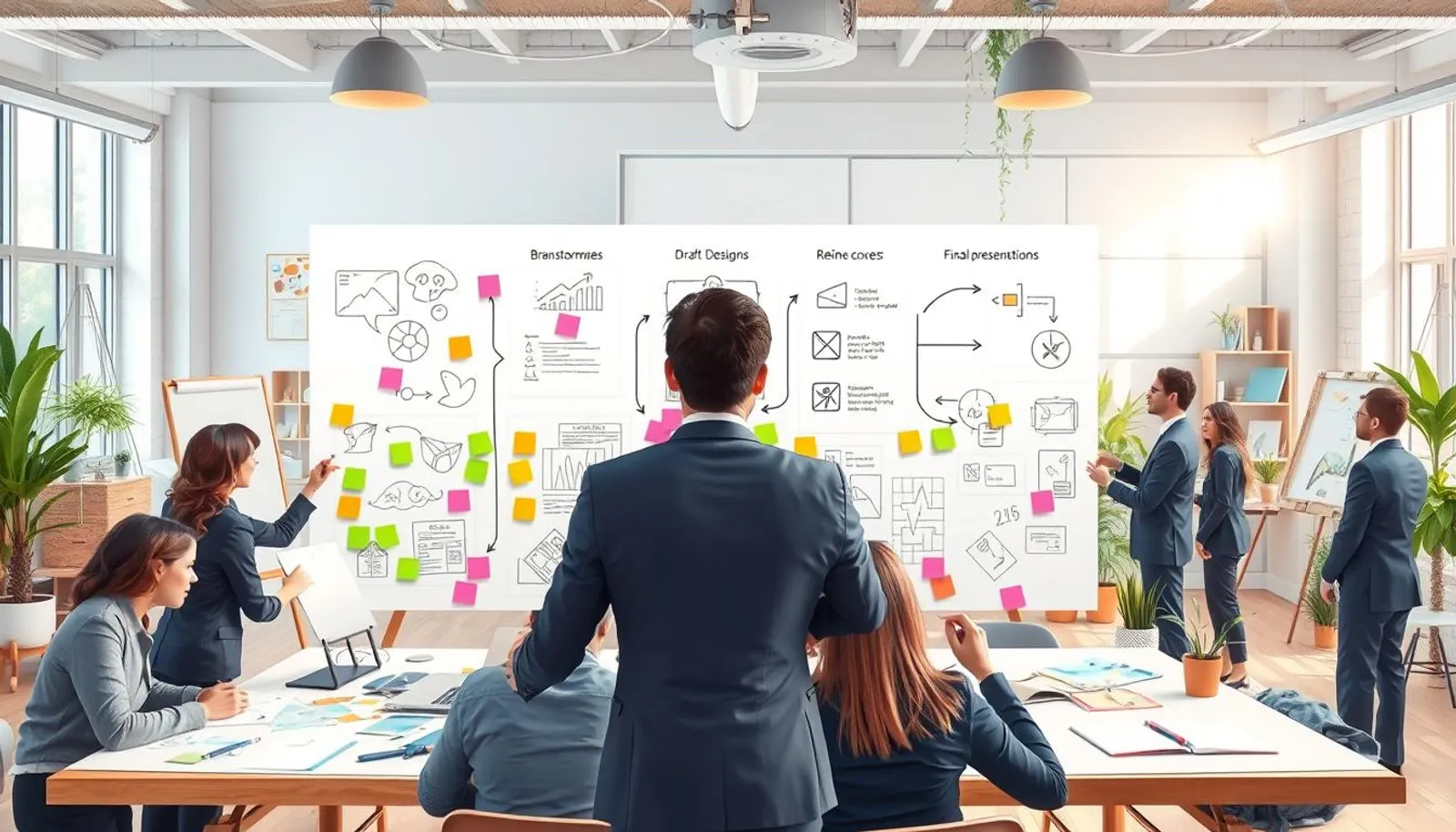
Understanding the creative process is essential for anyone looking to innovate or solve problems in a rapidly changing world. The creative process involves a series of stages that help individuals generate, develop, and refine their ideas.

19 min read
Unlocking the secrets of the creative process can be a game-changer for individuals seeking to bring new ideas to life. By understanding the stages involved, you can tap into your full potential and produce innovative work. According to expert advice, the creative process is not just about being inspired; it’s a skill that can be developed over time with practice and dedication.
For a comprehensive understanding, let’s dive into the world of creativity. The creative process involves several stages, from preparation to verification, each playing a crucial role in shaping your final output. By grasping these concepts, you’ll be better equipped to navigate your own creative journey.
Key Takeaways
- Understanding the stages of the creative process
- Developing skills to produce innovative work
- Expert advice on cultivating creativity
- The importance of preparation and verification
- Tapping into your full potential
What is the Creative Process?
Understanding the creative process is essential for anyone looking to innovate or solve problems in a rapidly changing world. The creative process involves a series of stages that help individuals generate, develop, and refine their ideas.
Definition and Core Elements
The creative process is defined by several core elements, including preparation, incubation, illumination, evaluation, and implementation. These stages work together to help individuals bring their ideas to life. Effective creative process tips include setting clear goals, embracing experimentation, and being open to new experiences.
Why the Creative Process Matters in Today’s World
In today’s fast-paced world, the creative process is more important than ever. It enables individuals and organizations to adapt, innovate, and stay ahead of the curve. By applying best practices in creativity, such as cultivating curiosity and embracing failure as a learning opportunity, individuals can unlock their full potential and drive meaningful change.
The History and Evolution of Creative Process Models
Understanding the evolution of creative process models is essential for appreciating the complexities of modern creativity. The creative process has been studied and refined over the years, with various theorists contributing to its development.
Classical Theories from Wallas to Csikszentmihalyi
The classical theories of creativity, as proposed by Wallas and later built upon by Csikszentmihalyi, laid the groundwork for understanding the creative process. Wallas identified four stages of creativity: preparation, incubation, illumination, and verification. Csikszentmihalyi expanded on this by introducing the concept of flow, a mental state characterized by heightened focus and immersion in the creative task. As Csikszentmihalyi notes, “The best moments in our lives are not the passive, receptive, relaxing times鈥攁lthough such experiences can also be enjoyable, if we have not too much of a good thing. The best moments usually occur when a person’s body or mind is stretched to its limits in a voluntary effort to accomplish something difficult and worthwhile.”
“The best moments in our lives are not the passive, receptive, relaxing times鈥攁lthough such experiences can also be enjoyable, if we have not too much of a good thing. The best moments usually occur when a person’s body or mind is stretched to its limits in a voluntary effort to accomplish something difficult and worthwhile.”
Mihaly Csikszentmihalyi
Contemporary Approaches to Creativity
Contemporary approaches to creativity have evolved to incorporate a more nuanced understanding of the creative process. Modern theories emphasize the importance of collaboration, technology, and diverse perspectives in fostering creativity. For an in-depth analysis of contemporary creativity models, refer to this comprehensive study. Key elements of contemporary approaches include:
- Emphasis on interdisciplinary collaboration
- Integration of technology to facilitate creative expression
- Recognition of the role of diverse perspectives in enhancing creativity
By understanding the historical development and contemporary approaches to the creative process, individuals can better navigate their own creative journeys, leveraging expert advice to guide their path.
The 5 Stages of the Creative Process
Creativity unfolds in a series of stages that help individuals bring their ideas to life. Understanding these stages can significantly enhance the creative process, making it more efficient and effective.
Preparation: Gathering Information and Resources
The first stage involves gathering information and resources necessary for the project. This includes research, identifying relevant tools, and understanding the project’s requirements. Effective preparation lays the groundwork for a successful creative process. For more insights on the creative process steps, visit https://penji.co/creative-process-steps/.
Incubation: Letting Ideas Develop Subconsciously
During incubation, ideas are allowed to develop subconsciously. This stage is about giving your mind the space to process information and make connections between seemingly unrelated concepts. It’s a period of reflection and relaxation.

Illumination: Recognizing the “Aha!” Moment
Illumination is the stage where the “Aha!” moment occurs. It’s when a creative solution becomes clear. This moment is often the result of the subconscious work done during incubation.
Evaluation: Critically Assessing Your Ideas
Evaluation involves critically assessing the ideas generated. It’s about determining the feasibility and potential impact of the ideas. This stage requires a critical thinking approach to filter out less viable options.
Implementation: Turning Concepts into Reality
The final stage is implementation, where concepts are turned into reality. This involves planning, executing, and refining the idea until it’s complete. Effective implementation requires persistence and flexibility.
By understanding and embracing these five stages, individuals can enhance their creative process, leading to more innovative and effective solutions.
Preparation: Setting the Foundation for Creativity
Before diving into a creative project, it’s essential to prepare your mind and environment. This foundational stage is crucial for fostering innovation and ensuring that your ideas are well-informed and effectively executed.
Effective Research Techniques
Conducting thorough research is a vital part of the preparation process. This involves gathering relevant information, data, and inspiration from various sources. Expert advice suggests using a mix of digital tools and traditional methods to curate your research. For instance, utilizing online databases, reading relevant literature, and engaging in conversations with experts in the field can provide a comprehensive understanding of your project’s context.
Creating Your Ideal Creative Environment
Your workspace can significantly influence your creativity. Creating an ideal environment involves decluttering your space, incorporating elements that inspire you, and ensuring that you have the necessary tools at hand. Ergonomic furniture and good lighting can also enhance your productivity and comfort during long creative sessions.
Mind-Mapping and Brainstorming Methods
Mind-mapping and brainstorming are powerful techniques for generating and organizing ideas. Mind-mapping involves visually mapping out your thoughts and ideas, while brainstorming is about freely generating as many ideas as possible without judgment. These methods can be used individually or in combination to stimulate your creativity and help you develop a clear direction for your project.
By focusing on these aspects of preparation, you can set a solid foundation for your creative work, following a creative process guide that is both effective and inspiring.
Incubation: The Power of the Subconscious Mind
As we navigate the creative process, incubation stands out as a pivotal stage where the subconscious plays a significant role. It’s during this phase that ideas are allowed to mature subconsciously, often leading to innovative solutions. Incubation is not just about stepping away from a problem; it’s an active process that leverages the brain’s ability to work on complex tasks in the background.
The Science Behind Mental Incubation
Research has shown that the brain continues to work on problems during periods of relaxation or distraction. This subconscious processing can lead to unexpected breakthroughs, as the mind freely associates and generates new ideas. Understanding the science behind mental incubation can help creatives make the most of this stage.
Activities That Enhance Creative Thinking
Engaging in activities that promote relaxation and stimulate the subconscious can enhance creative thinking. These include meditation, walking, or any hobby that distracts from the task at hand. By incorporating these activities into your daily routine, you can foster a more creative mindset.
How to Balance Focus and Relaxation
Balancing focus and relaxation is key to effective incubation. While it’s essential to dedicate time to focused work, it’s equally important to allow yourself periods of relaxation. This balance can be achieved by alternating between intense work sessions and leisure activities, thereby giving your subconscious the opportunity to process ideas.
By understanding and leveraging the power of incubation, creatives can unlock new levels of innovation and productivity. Incorporating best practices such as those discussed can significantly enhance the creative process.
Illumination: Capturing and Recognizing Great Ideas
Illumination, the ‘aha’ moment, is a crucial step in the creative process. It’s the stage where all the preparation and incubation come together, resulting in innovative ideas. Capturing these moments is essential for turning them into reality.
Techniques to Trigger Creative Insights
Several techniques can trigger creative insights. Mindfulness and meditation can clear the mind, allowing for a fresh perspective. Changing environments or taking breaks can also stimulate creativity. Additionally, engaging in divergent thinking exercises, such as brainstorming, can help generate a wide range of ideas.
Tools for Documenting Spontaneous Ideas
Having the right tools is crucial for capturing spontaneous ideas. Note-taking apps like Evernote or OneNote can be accessed across multiple devices, ensuring that ideas are never lost. Audio recorders can also be useful for capturing ideas when notetaking isn’t feasible. For visual thinkers, sketchbooks or digital drawing tools can help in capturing and developing ideas.
Turning Fleeting Thoughts into Concrete Concepts
To turn fleeting thoughts into concrete concepts, it’s essential to review and reflect on the ideas captured. This involves evaluating the feasibility and potential impact of the ideas. Creating prototypes or mock-ups can help in visualizing and refining the ideas. Collaboration and seeking feedback from others can also provide valuable insights and help in developing the ideas further.
| Technique | Description | Benefit |
|---|---|---|
| Mindfulness | Practice being present | Enhances creativity |
| Brainstorming | Generate many ideas | Fosters innovation |
| Prototyping | Create early versions | Refines ideas |
Evaluation: Separating Good Ideas from Great Ones
To turn a good idea into a great one, careful evaluation is necessary. The evaluation stage is where creativity meets critical thinking, allowing you to assess the viability and potential of your ideas.
Developing Criteria for Idea Assessment is the first step in effective evaluation. This involves setting clear standards based on your project’s goals, target audience, and available resources. By establishing these criteria early on, you can objectively judge the merits of your ideas.
Developing Criteria for Idea Assessment
To develop robust criteria, consider factors such as feasibility, originality, and alignment with your objectives. For instance, if you’re developing a new product, your criteria might include market demand, production costs, and competitive advantage.
| Criteria | Description | Weightage |
|---|---|---|
| Feasibility | Can the idea be realistically implemented? | 30% |
| Originality | Does the idea offer a unique solution or perspective? | 25% |
| Alignment | How well does the idea align with our goals? | 45% |
Feedback is invaluable in the evaluation process. It provides diverse perspectives that can highlight potential flaws or opportunities you might have missed. When soliciting feedback, ensure it’s specific, constructive, and comes from a variety of sources. For example, you can visit College Essay Guy for insights on how to effectively gather and utilize feedback.
Critical thinking plays a pivotal role in refining your ideas. It involves analyzing your ideas in depth, questioning assumptions, and considering alternative viewpoints. By doing so, you can strengthen your concepts and address potential weaknesses proactively.
Refining Ideas Through Critical Thinking
To refine your ideas, start by identifying the core elements that make them unique or valuable. Then, subject these elements to critical scrutiny. Ask questions like “What are the potential risks?” or “How can this be improved?” This process helps in fine-tuning your ideas, making them more robust and viable.
Implementation: Your Complete Creative Process Guide
Turning your creative concepts into reality requires a strategic approach to implementation. This stage is where your ideas are transformed into tangible outcomes, whether it’s a product, service, or artistic expression. Effective implementation is crucial for bringing your vision to life and achieving your goals.
Creating an Action Plan for Execution
To successfully implement your creative ideas, you need a clear action plan. Start by breaking down your project into manageable tasks and setting realistic deadlines. Identify the resources you’ll need, including materials, tools, and personnel. Prioritize tasks based on their importance and urgency, ensuring that you’re focusing on the most critical elements first.
Iterative Development and Prototyping
Iterative development involves refining your ideas through repeated cycles of testing and feedback. Prototyping is a key part of this process, allowing you to create a preliminary version of your product or service. This approach enables you to identify potential issues early on and make necessary adjustments. By iterating and refining your prototype, you can ensure that your final product meets your creative vision and functional requirements.
| Stage | Description | Key Activities |
|---|---|---|
| Action Planning | Defining tasks and resources | Task breakdown, resource allocation |
| Prototyping | Creating a preliminary version | Design, testing, feedback incorporation |
| Iteration | Refining the prototype | Revision, testing, finalization |
Knowing when to stop iterating and consider your project complete can be challenging. One way to determine this is by setting clear criteria for completion at the outset. Regularly review your progress against these criteria to assess whether you’re meeting your objectives. Additionally, be mindful of the point of diminishing returns, where further changes yield minimal improvement.
Overcoming Creative Blocks and Challenges
Overcoming creative blocks requires a combination of understanding their causes and applying effective strategies to reignite the creative spark. Creative blocks can manifest due to various reasons, ranging from lack of inspiration to fear of failure.
Identifying the Root Causes of Creative Blocks
The first step in overcoming a creative block is to identify its root cause. Common causes include pressure to perform, lack of clear goals, and fear of criticism. By understanding the underlying reason for your block, you can tailor your approach to address it effectively.
Practical Strategies to Restart Your Creative Engine
Several strategies can help restart your creative process. These include changing your environment, seeking inspiration from other sources, and practicing mindfulness and relaxation techniques. For more insights, you can explore resources like Conquering Content Challenges, which offers valuable tips on overcoming creative hurdles.

Maintaining Momentum Through Difficult Phases
To maintain momentum, it’s crucial to set achievable milestones and celebrate small victories along the way. This approach helps in keeping the motivation levels high even during challenging times.
When to Persist vs. When to Pivot
Deciding whether to persist with your current approach or pivot to a new direction is critical. This decision should be based on your project’s goals, the feedback you’ve received, and your intuition as a creator. Sometimes, persistence is key, while other times, pivoting can lead to new opportunities and breakthroughs.
The Creative Process Across Different Fields
Different fields apply the creative process in unique and innovative ways. Understanding these variations can provide valuable insights for professionals looking to enhance their creative skills.
The creative process is not a one-size-fits-all approach; it adapts to the specific needs and challenges of different disciplines. For instance, in Visual Arts and Design, the creative process often involves experimentation with various mediums and techniques.
Visual Arts and Design
In visual arts, the preparation stage involves researching different styles and techniques. Artists often create mood boards and sketches to visualize their ideas. The incubation stage allows them to step back and let their subconscious work on the project.
Writing and Content Creation
Writers and content creators use the creative process to develop engaging narratives. They start by brainstorming ideas and researching their audience. The illumination stage is where they experience a breakthrough, often jotting down key phrases or plot points.
Business Innovation and Entrepreneurship
In business, the creative process drives innovation and problem-solving. Entrepreneurs use techniques like mind mapping and brainstorming to generate ideas. The evaluation stage helps them assess the feasibility of their concepts.
Scientific Discovery and Technological Development
Scientists and technologists rely on the creative process to make new discoveries. They begin by formulating hypotheses and designing experiments. The incubation stage allows them to analyze data and draw meaningful conclusions.
Music and Performing Arts
Musicians and performers use the creative process to craft compelling performances. They start by interpreting the script or score, then experiment with different expressions and techniques. Rehearsals help them refine their performances.
| Field | Preparation | Incubation | Illumination |
|---|---|---|---|
| Visual Arts | Researching styles | Stepping back | Visualizing ideas |
| Writing | Brainstorming | Letting ideas simmer | Jotting down key phrases |
| Business | Mind mapping | Assessing feasibility | Identifying opportunities |
Tools and Resources to Enhance Your Creative Process
Creatives can boost their productivity and imagination by leveraging a variety of tools and resources tailored to their needs. In today’s digital age, numerous applications and platforms can streamline the creative process, making it more efficient and effective.
Digital Tools for Modern Creatives
Digital tools play a crucial role in modern creativity, offering solutions for organization, idea generation, and project management.
Project Management and Organization Apps
Tools like Trello and Asana help creatives organize their tasks and projects, ensuring timely completion and collaboration.
Idea Generation and Mind-Mapping Software
Software such as MindMeister and Coggle enable users to create mind maps, facilitating brainstorming and idea organization.
Analog Methods That Boost Creativity
While digital tools are indispensable, analog methods remain vital for sparking creativity. Techniques like freehand drawing and journaling can stimulate the mind and foster innovation.
Books and Courses for Creative Skill Development
Continuous learning is key to creative growth. Books on creativity and structured courses can provide valuable insights and best practices. By incorporating these creative process tips into daily routines, individuals can enhance their creative capabilities.
Conclusion: Mastering Your Creative Journey
Mastering the creative process is a journey that requires dedication, persistence, and a willingness to learn and adapt. By understanding the key stages of the creative process, from preparation to implementation, you can unlock your full potential and achieve success in your chosen field.
As outlined in the creative process guide, strategies such as the Equal Odds Rule and James Clear’s practice of publishing new articles twice weekly can help you stay focused and motivated. By adopting a consistent routine and being open to revising and refining your work, you can overcome creative blocks and challenges.
With expert advice and a deep understanding of the creative process, you can turn your ideas into reality and achieve your goals. By following the principles outlined in this article, you can develop the skills and confidence needed to succeed in today’s fast-paced and competitive environment.
FAQ
What is the creative process, and why is it important?
The creative process is a series of stages that help individuals generate and develop new ideas. It’s essential in today’s fast-paced world, as it enables people to innovate, solve complex problems, and stay ahead of the curve in various fields, from art and design to business and technology.
How can I improve my creative thinking skills?
To boost your creative thinking, try techniques like mind-mapping, brainstorming, and free writing. Engage in activities that stimulate your imagination, such as reading, traveling, or exploring new hobbies. Practice relaxation techniques, like meditation or yoga, to help your subconscious mind incubate ideas.
What are some effective tools for documenting and organizing ideas?
You can use digital tools like project management apps, mind-mapping software, and note-taking apps to capture and organize your ideas. Analog methods, such as journaling, sketching, or using sticky notes, can also be effective. Experiment with different tools to find what works best for you.
How do I overcome creative blocks and stay motivated?
To overcome creative blocks, identify the root cause of the issue and try strategies like taking a break, seeking inspiration from others, or changing your environment. Stay motivated by setting achievable goals, celebrating small wins, and reminding yourself why you started the creative process in the first place.
Can the creative process be applied to different fields and industries?
Absolutely! The creative process is versatile and can be applied to various fields, including visual arts, writing, business, science, and music. While the specific techniques and tools may vary, the underlying principles of the creative process remain the same, enabling individuals to generate innovative ideas and solutions.
How do I know when my creative project is complete?
Recognizing when a creative project is complete can be challenging. One way to determine this is by setting clear goals and criteria at the outset. As you work on the project, regularly assess your progress against these goals. When you’ve met your objectives and feel satisfied with the outcome, it’s likely time to consider your project complete.
What are some best practices for evaluating and refining ideas?
To evaluate and refine your ideas, develop clear criteria for assessment, solicit feedback from others, and engage in critical thinking. Be open to iterating and refining your ideas based on new information or insights. This will help you separate good ideas from great ones and ensure that your final product is the best it can be.