How to Create a Comprehensive Business Plan for Your Startup
A well-crafted business plan serves as a roadmap for startups, guiding them through the complexities of the business world. It is a strategic tool that helps entrepreneurs navigate through competitive markets and make informed decisions.


17 min read
Creating a comprehensive business plan is a crucial step for any startup. It serves as a roadmap, guiding the venture through its early stages and into long-term success.
A well-crafted plan not only helps in securing funding but also in making strategic decisions. Using a business plan template can simplify the process, ensuring that all essential components are covered.
Key Takeaways
- Understand the importance of a comprehensive business plan for your startup.
- Learn how to create a roadmap for your business’s success.
- Discover the benefits of using a business plan template.
- Identify key components to include in your business plan.
- Gain insights into securing funding with a well-crafted business plan.
The Strategic Importance of Business Planning
A well-crafted business plan serves as a roadmap for startups, guiding them through the complexities of the business world. It is a strategic tool that helps entrepreneurs navigate through competitive markets and make informed decisions.
Business planning is not just a formality; it’s a critical process that outlines the business model, market analysis, and financial projections. This process enables startups to identify potential pitfalls and opportunities, thereby guiding them towards sustainable growth.
Why Every Startup Needs a Solid Business Plan
Every startup needs a solid business plan to establish a clear direction and objectives. It helps entrepreneurs to clarify their ideas, identify potential problems, and develop strategies to overcome them. A solid business plan also enables startups to measure their progress and make adjustments as needed.
The following table highlights the key benefits of having a solid business plan:
| Benefits | Description |
|---|---|
| Clear Direction | Establishes a clear direction and objectives for the startup |
| Risk Management | Helps identify potential pitfalls and develop strategies to overcome them |
| Progress Measurement | Enables startups to measure their progress and make adjustments as needed |
A well-written business plan is crucial for securing investments, as it demonstrates the viability and potential of the business to investors. It provides a detailed outline of the business model, market analysis, and financial projections, making it easier for investors to assess the risk and potential return on investment.
By having a comprehensive business plan, startups can increase their chances of securing funding and achieving their growth objectives. It shows that the startup has a clear understanding of its market, competitors, and financials, making it a more attractive investment opportunity.
Choosing the Right Business Plan Template for Your Startup
A well-chosen business plan template can be the cornerstone of a startup’s strategy, influencing its path to success. The right template not only guides the planning process but also ensures that the final plan is comprehensive and compelling.
When it comes to business plan templates, startups have several options to consider. The choice largely depends on the specific needs and goals of the business.
Traditional vs. Lean Business Plan Templates
Traditional business plan templates offer a detailed and comprehensive outline, covering all aspects of the business. They are ideal for startups seeking to present a thorough plan to investors or lenders. On the other hand, lean business plan templates provide a more streamlined approach, focusing on key elements such as value proposition, market analysis, and financial projections. For more information on different business plan examples, you can visit Growthink’s Business Plan Examples.
| Template Type | Key Features | Ideal For |
|---|---|---|
| --- | --- | --- |
| Traditional | Comprehensive outline, detailed market analysis, thorough financial projections | Startups seeking investor funding, detailed planning |
| Lean | Streamlined, focuses on key elements, adaptable | Startups in early stages, agile businesses |
Industry-specific templates are tailored to address the unique challenges and opportunities of specific sectors. Using such a template can help startups better navigate their industry landscape and develop a more targeted strategy.

Customizing Templates to Match Your Vision
Regardless of the template chosen, customization is key. Startups should modify the template to align with their vision, highlighting their unique value proposition and business model. This customization ensures that the business plan is not only comprehensive but also compelling and relevant to the startup’s goals.
By carefully selecting and customizing a business plan template, startups can create a robust plan that guides their growth and attracts the necessary support from investors, lenders, or partners.
Crafting a Compelling Executive Summary
In the executive summary, you have the opportunity to distill your business concept into a clear and compelling narrative. This section is crucial as it provides an overview of your business plan, highlighting the key elements that will capture the reader’s attention.
Distilling Your Business Concept
To effectively distill your business concept, focus on the core mission and vision of your startup. Clearly articulate the problem you’re solving and how your solution addresses this issue. This involves condensing complex ideas into simple, understandable language that resonates with your target audience.
Highlighting Your Unique Value Proposition
Your unique value proposition (UVP) is a critical component of your executive summary. It should clearly state how your product or service differs from the competition and why it offers a better solution. Emphasizing your UVP helps to differentiate your startup in a crowded market, making it more attractive to investors and customers.
Tips for Making Your Summary Stand Out
To make your executive summary stand out, focus on creating a compelling narrative that includes key statistics, milestones, and a clear call to action. Use engaging language and a concise format to keep the reader interested. Additionally, ensure that your summary is free of jargon and technical terms that might confuse your audience.
By following these guidelines, you can create an executive summary that not only captures the essence of your business plan but also compels readers to learn more about your startup.
Conducting Comprehensive Market Research
To develop a business plan that resonates with your target audience, you must first understand them through comprehensive market research. This foundational element provides insights into the target market, competitive landscape, and industry trends, ultimately informing a business strategy that is both relevant and forward-thinking.
Defining and Analyzing Your Target Market
Understanding your target market is crucial for tailoring your product or service to meet their needs effectively. This involves a detailed analysis of demographics and psychographics.
Demographics and Psychographics Analysis
Demographics include age, gender, income level, and education, while psychographics delve into the values, interests, and lifestyle of your target audience. **
Combining these analyses provides a comprehensive view of your ideal customer**.
Market Size and Growth Potential
Assessing the market size and its growth potential helps in determining the viability of your business idea. A growing market indicates opportunities for expansion and increased revenue.
Competitive Landscape Assessment
Understanding the competitive landscape is vital for positioning your business effectively. This involves identifying both direct and indirect competitors.
Direct and Indirect Competitors
Direct competitors offer similar products or services, while indirect competitors may offer alternatives that satisfy the same customer need. **
Identifying these competitors helps in crafting a unique selling proposition**.
Competitive Advantage Identification
Pinpointing your competitive advantage is crucial for differentiating your business in a crowded market. **
This could be anything from superior customer service to innovative product features*.
Industry Trends and Opportunities
Staying abreast of industry trends and opportunities is essential for developing a business strategy that is forward-thinking.
“The best way to predict the future is to invent it.” - Alan Kay
This involves analyzing current trends and forecasting future developments in your industry.
By understanding these elements, businesses can position themselves to capitalize on emerging opportunities and navigate potential challenges.
Developing Your Company Description and Structure
For startups, a detailed company description is essential for outlining their strategic direction and operational framework. This section of the business plan provides stakeholders with a comprehensive understanding of the company’s background, purpose, and organizational structure.
Articulating Mission, Vision, and Values
The mission statement defines the company’s purpose and primary objectives. It should be concise, yet meaningful, providing a clear direction for the organization. The vision statement, on the other hand, outlines what the company aims to achieve in the future. Values are the core principles that guide the company’s decisions and actions*. Together, these elements form the foundation of the company’s identity and culture.
Legal Structure and Ownership Details
Startups must decide on a legal structure that suits their needs, such as a sole proprietorship, partnership, LLC, or corporation. Each structure has its advantages and disadvantages, particularly in terms of liability, taxation, and ownership. **
Clearly outlining the ownership details is crucial for transparency and future investment**. For more information on creating a business plan, you can refer to this resource.
Company History and Milestones
Even if your startup is new, you may have some history or milestones to highlight, such as the founding team’s background or initial achievements. **
Documenting these elements can help build credibility and demonstrate progress**. As your company grows, continue to update this section to reflect new milestones and accomplishments.
Creating a Detailed Product or Service Line Section
The product or service line section of a business plan provides an in-depth look at a startup’s offerings, highlighting their features, development stages, and competitive advantages.
Product/Service Features and Benefits
When describing products or services, startups should focus on their key features and the benefits they offer to customers. This involves detailing the product’s or service’s functionality, performance, and unique selling points. For instance, a tech startup might emphasize the innovative technology behind its software solution and how it solves a specific problem for its target market.
Development Timeline and Lifecycle
Outlining the development timeline and lifecycle of a product or service is crucial for investors and stakeholders. It provides insight into the current stage of development, future milestones, and the product’s or service’s expected lifespan. A detailed timeline helps in understanding the roadmap for product development and launch.
| Development Stage | Timeline | Key Milestones |
|---|---|---|
| --- | --- | --- |
| Research and Development | 0-6 months | Prototype development |
| Testing and Iteration | 6-12 months | Feedback incorporation |
| Launch Preparation | 12-18 months | Marketing strategy finalization |
Protecting intellectual property (IP) is vital for startups, especially those with innovative products or services. Outlining an IP strategy involves discussing patents, trademarks, copyrights, and trade secrets. For example, a startup might detail its patent application process or its strategy for maintaining trade secrets, as seen in the Moose Mountain business plan.
 By including these essential business plan components, startups can create a comprehensive product or service line section that showcases their offerings and strategic plans.
Building a Comprehensive Marketing and Sales Strategy
A comprehensive marketing and sales strategy is the backbone of any successful startup, enabling it to reach, engage, and retain customers. This strategy serves as a roadmap for achieving business objectives by effectively penetrating the market and differentiating the startup from its competitors.
Market Penetration Strategy
A well-planned market penetration strategy is crucial for startups to gain traction in a competitive landscape. This involves leveraging both digital and traditional marketing channels to reach the target audience effectively.
Digital Marketing Channels
Digital marketing channels, including social media, email marketing, and search engine optimization (SEO), offer startups a cost-effective way to reach a wider audience. By creating engaging content and utilizing targeted advertising, startups can increase their online visibility and attract potential customers.
Traditional Marketing Approaches
Traditional marketing approaches, such as print advertising, trade shows, and networking events, remain effective for reaching specific demographics and building brand credibility. Startups can use these methods to complement their digital marketing efforts and create a multi-channel marketing strategy.
Sales Process and Methodology
The sales process and methodology should be clearly outlined in the business plan, demonstrating how the startup intends to convert leads into customers. This includes defining the sales funnel, identifying key sales metrics, and establishing a sales team structure.
Customer Retention Strategies
Customer retention strategies are crucial for sustaining long-term growth, as retaining customers is often more cost-effective than acquiring new ones. Startups can implement retention strategies such as loyalty programs, personalized customer service, and regular communication to maintain a strong relationship with their customers.
By developing a comprehensive marketing and sales strategy, startups can effectively reach and engage with their target audience, drive sales, and achieve their business objectives. Utilizing a business plan template can help streamline this process, ensuring that all critical elements are included. For more guidance, consider resources on how to write a business plan that covers marketing and sales strategies in detail.
Outlining Your Organizational and Management Structure
A well-defined organizational structure is the backbone of a successful startup business planning process. It not only helps in clarifying roles and responsibilities but also in ensuring that the startup is well-positioned to achieve its business objectives.
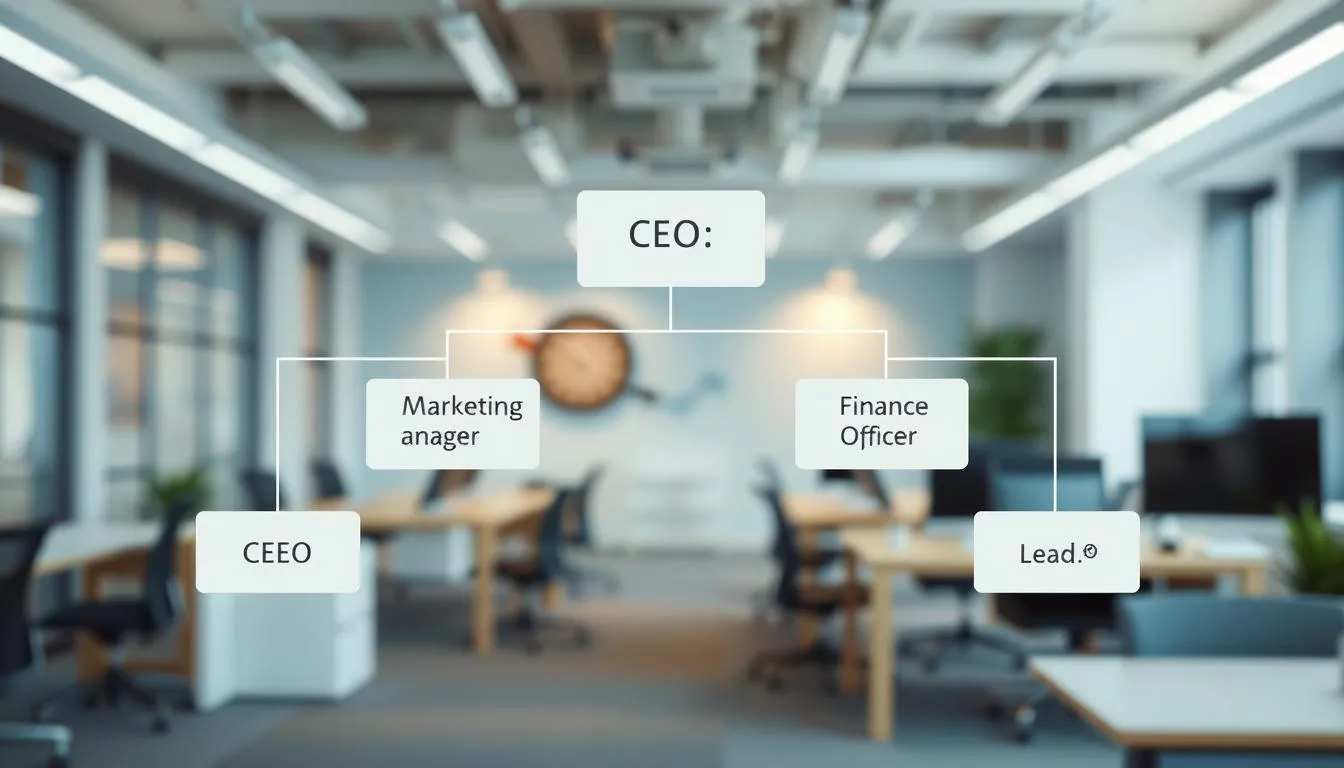
Creating an Effective Organizational Chart
An organizational chart is a visual representation of your startup’s internal structure. It illustrates the hierarchy and roles within the company, making it easier to understand the chain of command and communication channels. To create an effective organizational chart, start by identifying key positions and their responsibilities. Use a business plan template that includes an organizational chart section to help you get started.
Key Management Team Profiles
The management team is the driving force behind any startup. Their experience, skills, and expertise are crucial in executing the business plan. When outlining key management team profiles, include details about their roles, responsibilities, and relevant experience. As “The success of a startup is directly tied to the strength and cohesion of its management team.” Highlighting the achievements and qualifications of your management team can significantly enhance your startup’s credibility.
Advisory Board and External Resources
An advisory board can provide valuable insights and guidance to your startup. They bring external expertise and networks that can be leveraged to overcome challenges and capitalize on opportunities. When outlining your advisory board and external resources, include information about their expertise and how they contribute to your startup’s success. As noted by
“Having the right advisors can make a significant difference in a startup’s ability to navigate complex business landscapes.”
Ensure that you highlight how their contributions align with your startup’s strategic objectives.
Developing Realistic Financial Projections
Realistic financial projections are essential for startups to anticipate challenges, capitalize on opportunities, and achieve their business objectives. These projections provide a comprehensive overview of a startup’s financial health, helping entrepreneurs make informed decisions and secure funding.
To create effective financial projections, startups should focus on several key areas. First, they need to develop an income statement forecast, which outlines projected revenues, expenses, and net income over a specific period. This forecast helps startups understand their potential profitability and identify areas for cost optimization.
Income Statement Forecasting
Income statement forecasting involves estimating revenues and expenses to predict net income. Startups should consider various factors, including market trends, competition, and operational costs. By creating a detailed income statement forecast, startups can better understand their financial performance and make adjustments as needed.
| Category | Year 1 | Year 2 | Year 3 |
|---|---|---|---|
| --- | --- | --- | --- |
| Revenue | $100,000 | $150,000 | $200,000 |
| Expenses | $80,000 | $120,000 | $160,000 |
| Net Income | $20,000 | $30,000 | $40,000 |
Cash flow projections are critical for startups, as they help entrepreneurs manage their liquidity and ensure they have sufficient funds to operate. By forecasting cash inflows and outflows, startups can identify potential cash shortfalls and develop strategies to mitigate them.
Effective cash flow management involves monitoring accounts receivable, accounts payable, and inventory levels. Startups can use financial planning tools to streamline their cash flow management and make more accurate projections.
Balance Sheet Preparation
A balance sheet provides a snapshot of a startup’s financial position at a specific point in time, outlining its assets, liabilities, and equity. By preparing a balance sheet, startups can assess their financial health and make informed decisions about investments and funding.
Funding Requirements and Sources
Startups need to determine their funding requirements and identify potential sources of capital. This involves assessing their financial projections and determining how much funding they need to achieve their business objectives. By understanding their funding requirements, startups can explore options such as venture capital, angel investors, or loans to secure the necessary funds.
By developing realistic financial projections, startups can create a solid foundation for their business and increase their chances of success. These projections help entrepreneurs make informed decisions, secure funding, and drive growth.
Conclusion: Implementing and Regularly Updating Your Business Plan
A well-crafted business plan is essential for guiding your startup through its various stages. To ensure its effectiveness, it’s crucial to implement the plan and regularly update it to reflect changes in the market, industry, or business strategy. By doing so, you can keep your business on track and adapt to new challenges and opportunities.
Utilizing a business plan template can simplify the process of creating and maintaining a comprehensive business plan. This template serves as a foundation for outlining your business strategy, financial projections, and operational plans, making it easier to update and refine your plan as needed.
Regular updates to your business plan will help you stay focused on your goals and respond to shifts in the market or industry. By maintaining a living document that reflects your current business strategy, you can drive growth and success for your startup.
FAQ
What is the primary purpose of a business plan for a startup?
The primary purpose of a business plan is to serve as a roadmap for the startup, guiding it through its early stages and into long-term success, while also helping to secure funding and make strategic decisions.
How do I choose the right business plan template for my startup?
Choosing the right business plan template depends on your business needs and goals. Consider whether a traditional or lean template is more suitable, and look for industry-specific templates that address unique challenges and opportunities.
What are the essential components of a comprehensive business plan?
Essential components include an executive summary, market research, company description and structure, product or service line, marketing and sales strategy, organizational and management structure, and financial projections.
How often should I update my business plan?
Your business plan should be a living document, regularly updated to reflect changes in the market, industry, or business strategy, ensuring it remains relevant and effective in guiding your startup.
What is the importance of market research in a business plan?
Market research provides insights into the target market, competitive landscape, and industry trends, helping to develop a business strategy that is both relevant and forward-thinking.
How do I create a compelling executive summary?
To create a compelling executive summary, clearly articulate your business concept, highlighting its unique value proposition and competitive advantage, and focus on key elements that capture the reader’s attention.
What financial statements are required in a business plan?
Required financial statements include income statement forecasting, cash flow projections, and balance sheet preparation, which provide a forecast of the startup’s financial performance and help understand its financial health and requirements.